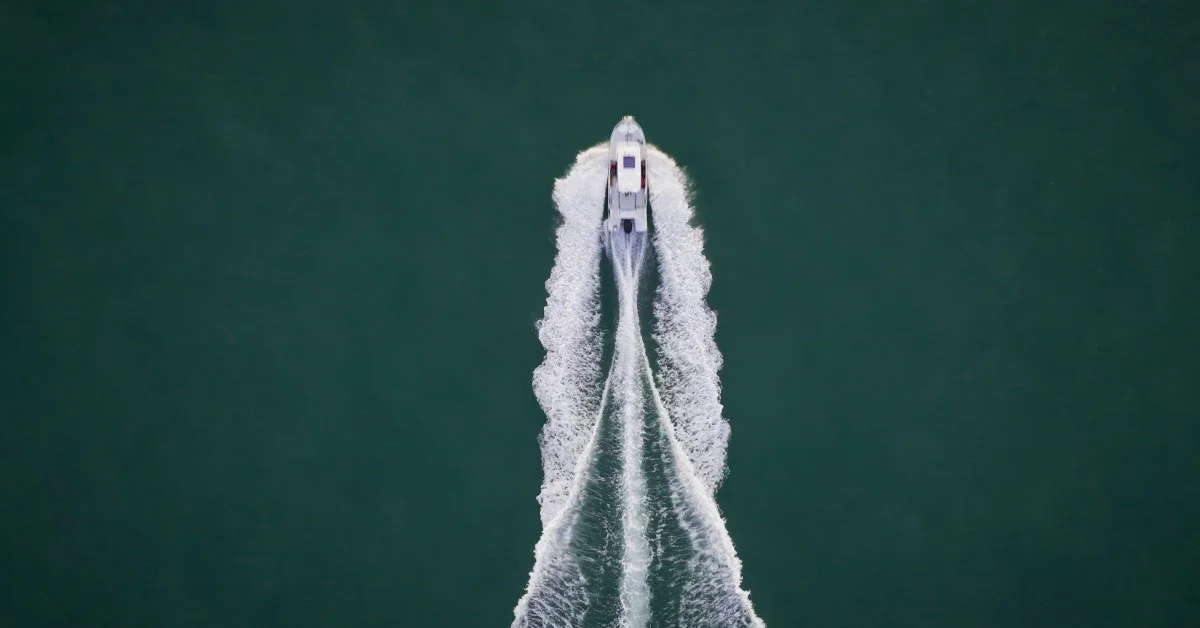
The SEASONS channel (CANAL+ Group) devotes a 57-minute portrait documentary to Guillaume Fourrier. Directed by Cédric Lemarié, the film follows the daily work of a professional fishing guide: passing on knowledge, ensuring safety, reading the sea with precision, and contributing to citizen science. This is a grounded portrait, rooted in reality, transmission, and angling expertise.
The documentary follows Guillaume both shore fishing and boat fishing, while retracing his angling journey from adolescence to the present day.
A youth shaped by the sea and by transmission
Before becoming a fishing guide, Guillaume Fourrier was formed through direct contact with the sea. For five years, he worked as a professional lifeguard on French coastal beaches. It was a formative experience. It gave him a sharp understanding of water movement, currents, and weather conditions, and above all a strong culture of safety and anticipation.
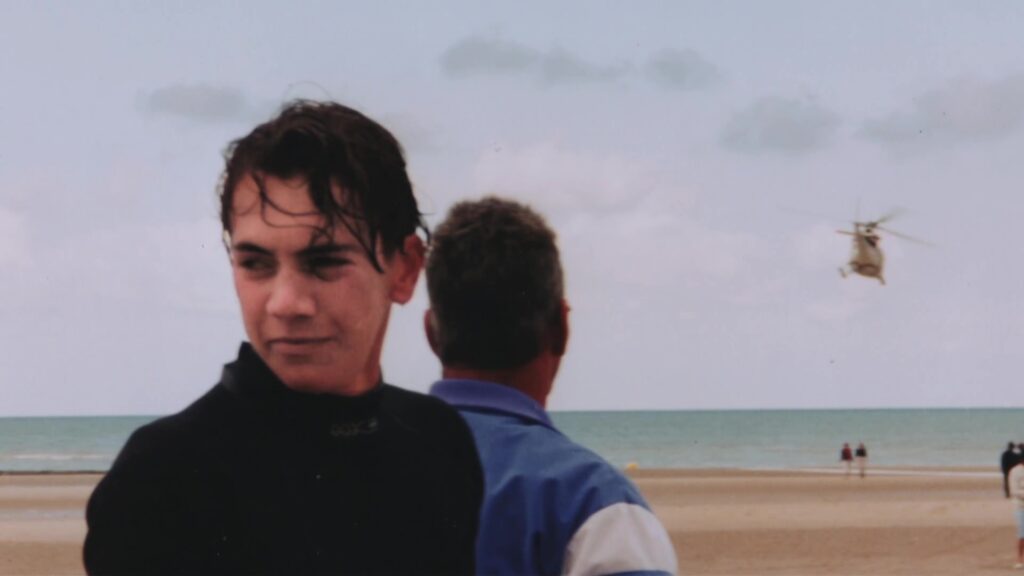
These reflexes are now essential when supervising and reassuring clients, whether beginners or experienced anglers.
At the same time, from the early 2000s onward, Guillaume became involved in developing online angling media. In 2003, he co-founded PecheWeb.com with his friend Florian Boudeau.
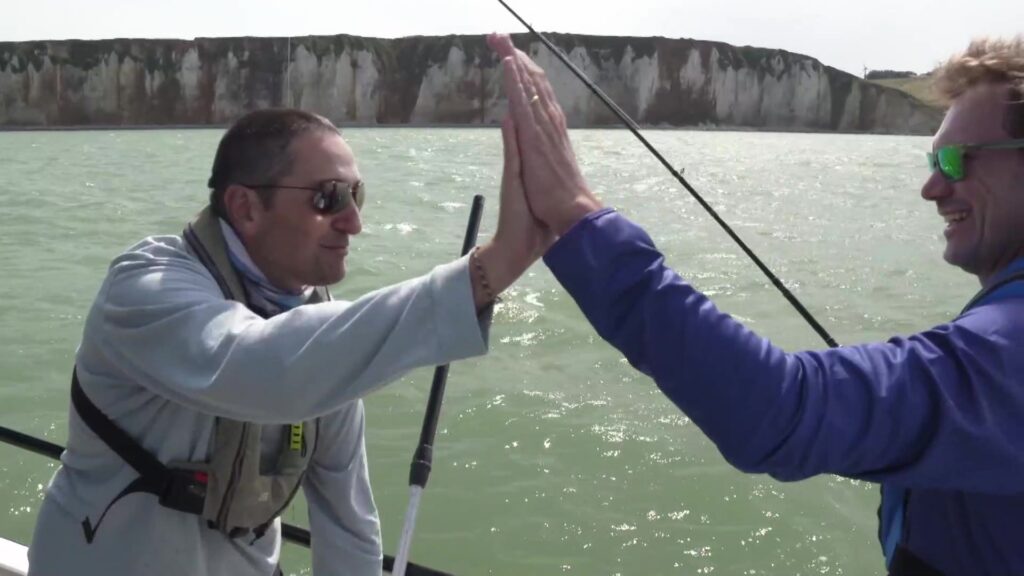
The platform quickly became a national reference. Between 2003 and 2006, PecheWeb established itself as one of the leading fishing websites in France, with an active community, highly frequented forums, and technical content ahead of its time. This adventure shaped a generation of anglers and laid the foundations for a modern approach based on sharing, education, and responsible fishing.
A portrait built around one idea: really helping people catch fish
The film opens with a sentence that says it all. To be a good guide, you must be passionate. You must also enjoy the success of others. Guillaume Fourrier puts it simply: seeing the smile of an angler finally holding their fish means the mission is accomplished. That is where guiding begins. It is not just about “putting people on fish.” Giving keys matters. Making anglers autonomous is essential.
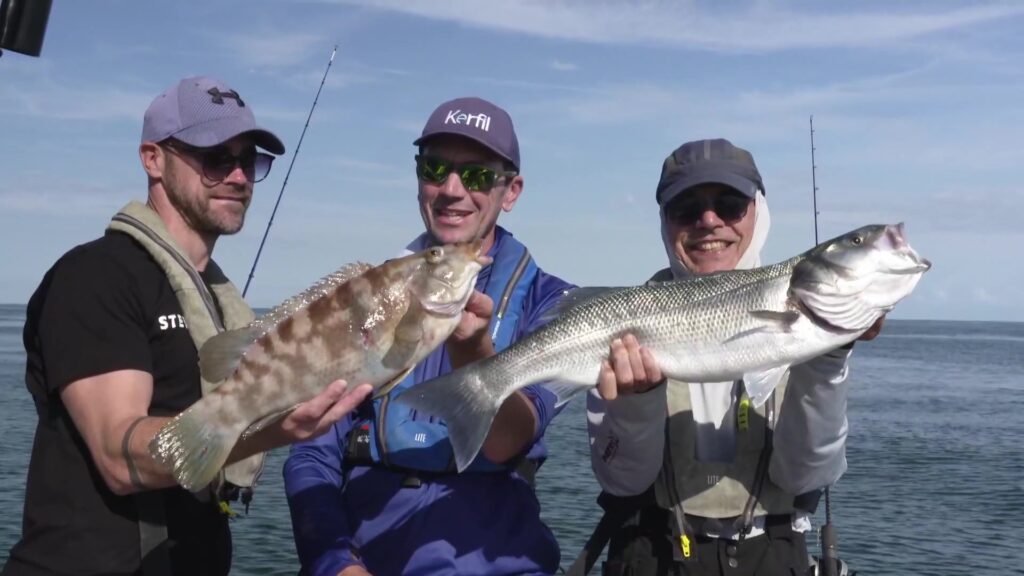
This philosophy runs through the entire documentary. Every fishing scene serves the story. Every bite, every lost fish, every drift becomes a lesson. The viewer quickly understands that performance is not the sole driver. The real engine is exchange. It is the sharing of an understanding of the marine environment.
The Alabaster Coast as a backdrop, the English Channel as a playground
The documentary follows Guillaume on his emblematic ground. It moves from the Alabaster Coast shoreline to offshore waters, between France and England. The film highlights spots that define the richness of the Channel: sand ridges, shellfish beds, and shipwrecks. These structures create relief. They shelter life, concentrate fish, and explain the diversity of fishing opportunities.
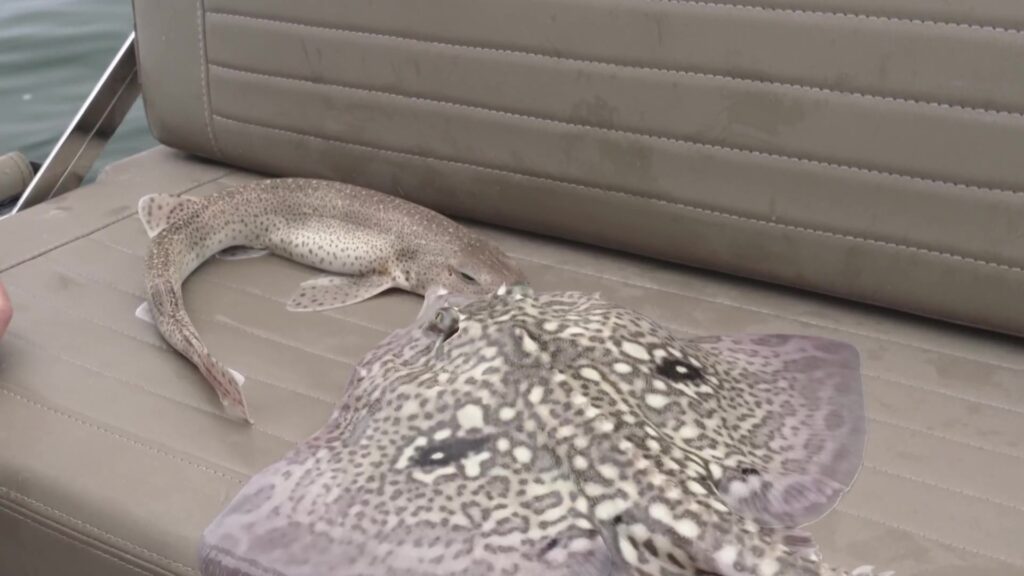
The camera also captures the true reality of offshore fishing. There are weather, currents and slack tides, the drop in temperature near the bottom and the constant need to adapt. The documentary does not cheat. It shows living fishing. Fishing that must be earned.
Lure fishing for sea bass: reading the water, finesse, and detail management
Part of the film focuses on sea bass. The viewer sees the approach, boat positioning, lure adjustments, colors and sizes, notably the KerHy Shad from Kerfil, which accounts for many fish. Above all, the film shows drift control and line tension management. Detail is everywhere. In rod position, avoiding slack line and how the fish is allowed to take.
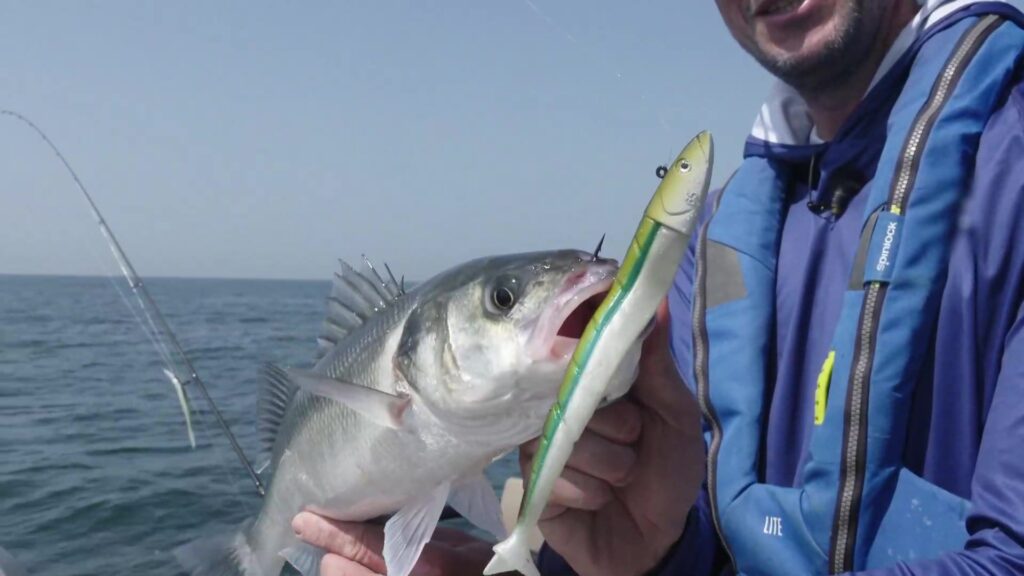
These scenes provide real technical substance. They speak directly to anglers. They also speak to non-anglers, because progress is visible on screen. You understand what a guide actually does when guiding. He observes, corrects, encourages and secures.
Fishing from the Carnot breakwater in Boulogne-sur-Mer, day and night
The documentary then shifts to shore fishing. The target is big sea bass. The approach is based on strong, simple, efficient rigs. Large baits are used to tempt trophy fish. Rods are set on the reinforced concrete wall of France’s largest breakwater, the Carnot dike. Here, sophistication is unnecessary. What matters is strength, accepting abrasion, and above all understanding the spot and the paths taken by big fish, often right at the base of the structure.
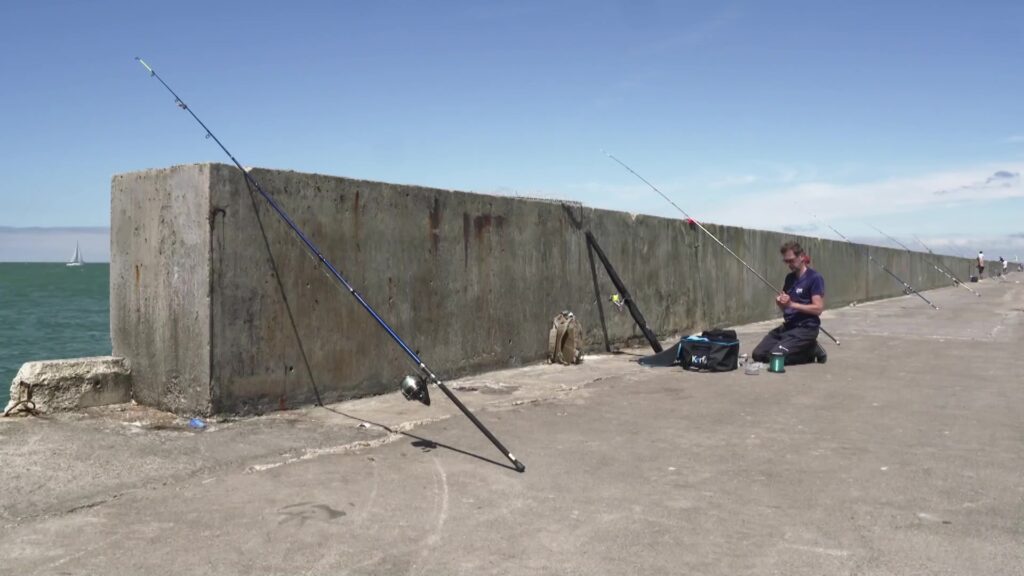
The daytime session produces nothing. The water is clear. Seals appear and take their place as new dominant predators. At night, the atmosphere changes. Bells and lights take over. The bite comes… and the species is unexpected. The film insists on this point. The spots Guillaume fished when he was younger have evolved. You come for one fish. The sea offers another. That is fishing, in its truest form.
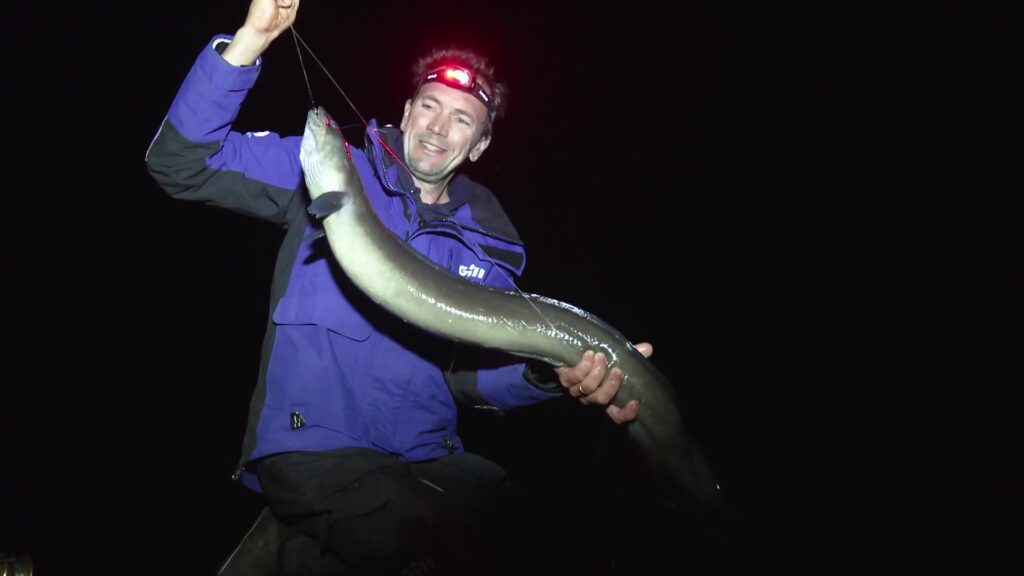
Congers follow one another and are landed, to the delight of Guillaume and his neighboring anglers.
Multi-species fishing: the English Channel in all its richness
The portrait does not limit itself to a single target species. It embraces multi-species fishing, now a hallmark of Guillaume Fourrier. It is almost his signature. The film moves from one Normandy fish to another depending on conditions, current, area, and season.
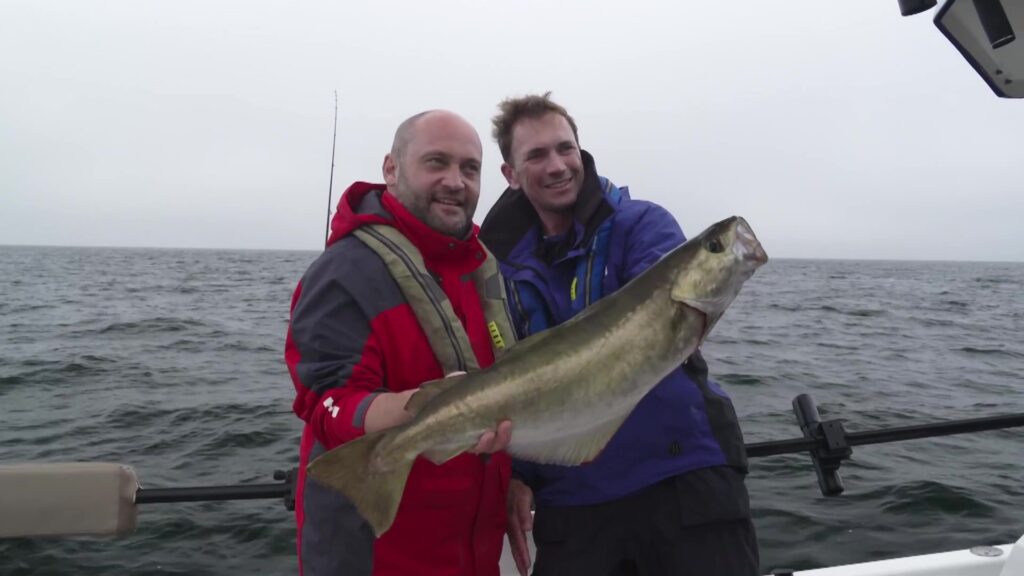
Rays, small spotted catsharks, weever fish, gilthead bream, wrasse, large pollack, red gurnards, sea bass, bib, smooth-hounds… The film shows a diverse and modern style of fishing. It combines lures and bait, shore and boat, technique and opportunity. This diversity gives the film rhythm. It also tells the story of a rich coastline, provided it is approached with method.
Citizen science: working with Breton scientists
The documentary includes a key scene. A fish is tagged. It is measured and weighed. A tracking tag is fitted. The species and sex are identified. The fish is released. The intention is clear. Contribute to knowledge. Track movements. Understand seasonal arrivals. Document what remains poorly explained.
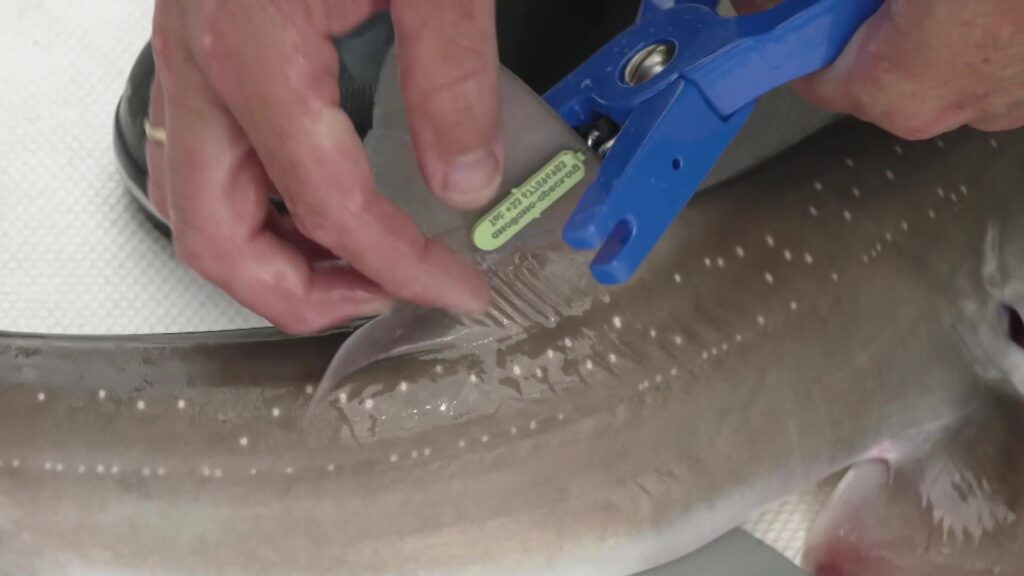
This sequence puts the angler back in his true role. On the ground. Observing. Collecting data. Working with concrete facts. It reminds us that recreational fishing can also produce useful information, when it is done seriously. Field ecology. The real thing.
Offshore emotion, right up to the return
The film ends like many fishing days. On the way back. With fatigue. With the sun dropping. And with one last surprise that prevents a “quiet return.” A distant tuna chase. Fish leaping. Emotions rising suddenly. Bluefin tuna off Dieppe, hunting within a few meters of the boat.
Guillaume sums it up with a simple image. Fishing is made of emotional elevators. There are empty moments. There are doubts. And then there is magic. It comes without warning. It makes everything else disappear. That is the truth the documentary succeeds in capturing.
Practical information about the documentary
Title: Ambassador of Sea Fishing
Broadcast: From December 28, 2025 at 8:45 p.m., and regularly throughout 2026
Format: Portrait documentary (57 min)
Director: Cédric Lemarié
Channel: SEASONS (CANAL+ Group)
Themes: shore fishing, boat fishing, wrecks, sand ridges, multi-species fishing, knowledge transmission, citizen science